
August 17, 2026
Fall semester is here. Whether you’re walking onto campus for the first time or heading into your final year, the start of a new term is one of the best moments to get intentional about where you’re headed & could be a life-changing moment for many students.
Civil Engineering is a long, demanding path. The students who finish strong usually aren’t the ones who just “got through” each semester — they’re the ones who kept an eye on the bigger picture while handling the day-to-day work.
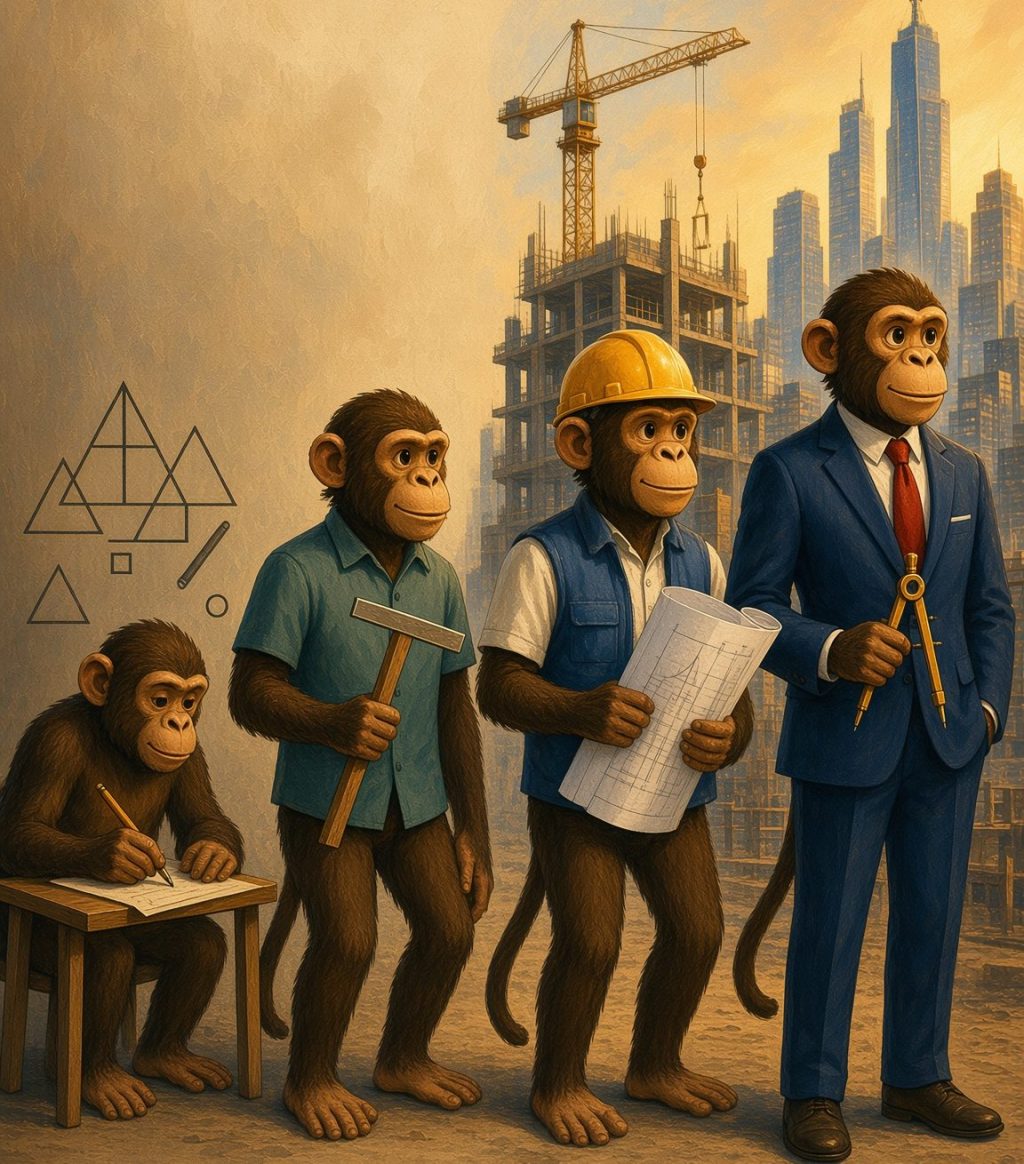
I often reflect on my college journey because it was the place where I learned about myself the most. Here’s what I’d be thinking about right now at every stage of the degree.
1. Freshmen: Build the Foundation and Survive
Nothing like the hustle and bustle in your first year of college. New Dorm, New students, and New experiences await. Your main job this year is simple: learn how to be THE BEST college student you can be.
Here are a few things that you can take with you this Freshman Year:
Education:
- Get comfortable with the core math and physics sequence. These classes are the filter — treat them seriously,
- Start building good habits early: consistent study schedule, going to office hours, and forming a small study group.
- Don’t stress about choosing a specialization yet. Focus on passing classes and understanding what civil engineering actually involves.
Start of your Student-Career:
- Learn the campus resources (tutoring, counseling, academic advising) before you desperately need them.
- Get a solid, NCEES-approved calculator early. Most students end up with the TI-36X Pro because it handles matrices, equation solving, and unit conversions well. Learn it now so it’s second nature later. A simple engineering computation pad also helps keep homework organized.
- Gain a sense of your school’s spirit and it’s pride. Participate at school events, games and functions, which are available to you throughout your career.
Getting the Career Head-Start:
- If you are feeling ambitious, start looking into available civil engineering or STEM-related clubs and organizations that you could participate in.
The goal this year isn’t to be the top student in every class. It’s to stay eligible, stay healthy, and start figuring out how you learn best.
Sophomores: An object in motion, Stays in motion
Once you have gotten used to the campus and your study style – its time to start building responsibility. The sophomore year experience is when critical thinking, understanding difficult concepts, and maintaining your passing grade. Expect to transcend “high-school review” and start learning college level curriculum.
Education:
- Take statics and the early mechanics courses seriously. These form the foundation for almost everything that comes later. Many students find Hibbeler’s Statics and Mechanics of Materials books clearer than the alternatives — the example problems are especially useful.
- Start paying attention to which subjects click for you (structures, geotech, transportation, water resources, construction). You’re not locking anything in yet, but patterns matter.
Personal Growth:
- Look for your first internship or research opportunity for next summer. Many students wait too long.
- Get familiar with basic software (AutoCAD or Civil 3D student versions are free). Even basic proficiency helps on internships and later classes.
- Keep your GPA in a range that won’t close doors for internships or graduate school later.
Sophomore year is when a lot of students either find their rhythm or start falling behind. Stay consistent.
Personal Experience:
I have been on the falling behind side myself. Reality hits really hard here as many your classmates start to realize what they want and balancing personal lives with realistic expectations.
Students switch around at sophomore level. Dreams meet reality when your staring down programming code 2 o’clock in the morning.
Juniors: Get Real Experience and Decide Your Direction
Junior year is the pivot point. Classes get more specialized, professors seem to come with reputation, and a career is not so far in the distance. Junior year is truly a butterfly moment, since you should come to expect some level of pride emerging out of the fog.
Education
- Take the classes that will help you decide your focus area. Talk to professors and older students about what the different paths actually look like day-to-day.
Personal Growth
- Prioritize landing a meaningful internship or co-op this coming summer if you haven’t already. Real project experience matters more than most students realize.
- Start thinking about the FE exam. You don’t have to take it yet, but knowing the timeline and requirements removes stress later. Looking at the NCEES FE Reference Handbook and a solid review manual (such as the Lindeburg FE Civil Review) early helps you understand the scope.
Career Seeding
- Build (or clean up) your resume and LinkedIn. Ask for feedback from someone who’s hired interns.
- Consider joining ASCE or another student chapter if you haven’t. The networking and project experience can be valuable.
This is the year where “I’ll figure it out later” stops working as well. Start making deliberate choices.
Seniors: Finish Strong and Prepare for What’s Next
Senior year is, a mix of finishing requirements, completing major projects, and making the transition out of school. The finish line is just around the corner, you have kept the faith and now it is time for your reward.
Education
- Map out every remaining requirement early so nothing sneaks up on you at the last minute.
- Reach out to professors, former supervisors, and older students for advice and referrals. Most people are willing to help if you ask clearly.
- Treat your senior design or capstone project seriously — it’s one of the best things you can talk about in interviews.
Career- First Steps
- Take the FE exam if you haven’t already. Passing it while the material is still fresh is a real advantage. Most students practice with the official NCEES FE Civil Practice Exam and a comprehensive review book.
- Start the job search early (or graduate school applications if that’s the path). Many good opportunities move on fall timelines.
The goal this year is not just to graduate. It’s to graduate with options.
Super-Seniors and Beyond: Close the Loop
Super-Seniors are a special group. You do not want to simply finish school. You want to relish the last look around college square – exploring everything that your college has to offer. Whether you’re finishing a fifth year, completing a dual degree, or wrapping up after co-ops, the mindset should be similar to seniors — just with tighter timelines and clearer priorities.
Education:
- Meet with your counseler – the sooner, the better. Drop on by with a smile and an open mind – the counselor will check your credentials and hold them to the graduation light.
Career Base-line:
- Use any extra time for FE prep, targeted skill-building (software, advanced courses), or stronger internship/job applications. Having a reliable calculator and the key reference materials already in hand saves time.
- If you’re working while finishing, protect enough study time so the last classes don’t drag on longer than necessary.
- Start thinking about the PE path even if it’s years away. Understanding the experience requirements early helps.
At this stage, momentum matters. Finish cleanly so you can move forward without loose ends.
Personal Experience:
I often mentor everyone that is pondering their college career and I always say that:
“If I would be given another chance to attend college and never worried about paying, I would do it in a heartbeat”
Whether you are finishing up a few courses, or coming back to school in your adult phase. Take a chance on yourself to be a Civil Engineering Student and you will leave a fulfilling college experience.
A Final Note for Everyone
No matter which year you’re in, the students who do best over the long run usually share a few habits:
- Remember where you come from, where you are, and what you are looking forward to. Understanding your journey is just as important as the path.
- Ask for help earlier. Professors have office-hours and a community of those learning your subject is an important resource to recognize.
- They remember that civil engineering is a profession, not just a degree.
If you are ever wondering of the moment when you wake up as a civil engineer. Accept the title and the respect that it comes with early.
Fall 2026 is a fresh start. Use the first few weeks to get organized, set a sustainable pace, and decide what “success” looks like for you this year.
If you’re looking for practical tools, textbooks, FE resources, or recommendations that actually helped, check the Resources page. And if you have a specific question about navigating the major, feel free to reach out.
You’ve got this. One semester at a time.


Leave a comment